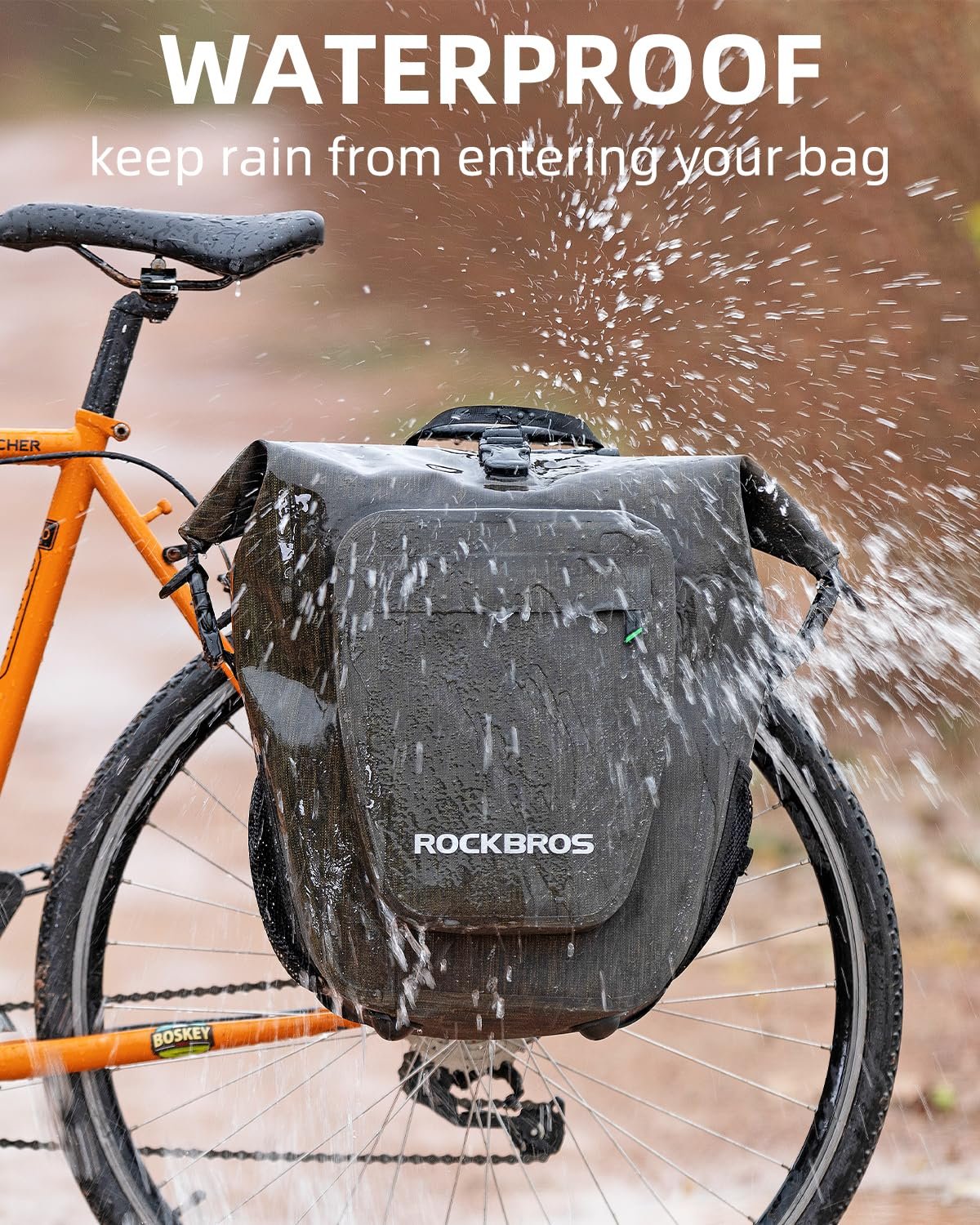
ROCKBROS 27L Waterproof Bike Pannier Bags: A Comprehensive Review
A 27L waterproof bike pannier sits in a useful middle ground. It is larger than a small commuter trunk bag, but it is still more manageable than a full touring pair when the ride is mostly city errands, office commuting, grocery runs, or a long day outside.
The ROCKBROS 27L waterproof pannier idea makes sense for riders who want one practical rear-rack bag that can handle rain, road spray, spare layers, lunch, tools, and a few awkwardly shaped items without turning every ride into a packing puzzle. The details matter, though: capacity, closure style, rack fit, heel clearance, waterproofing, and how the bag behaves once it is half full.
What A 27L Bike Pannier Is Actually Good For
On paper, 27 liters sounds simple. In real use, it is the difference between carrying only essentials and being able to stop for groceries on the way home. A 27L pannier can usually handle a rain shell, compact lock, repair kit, battery bank, wallet, a light change of clothes, and food without being stuffed tight. It also gives enough room for irregular items that do not fit neatly in a backpack.
For commuting, the best part is not just volume. It is keeping weight off your shoulders. A loaded backpack feels fine for the first few miles and much less fine when the weather is hot, the road is rough, or the ride includes climbs. A rear pannier moves that load to the bike, which usually makes the ride calmer and keeps clothing drier.
For weekend use, a bag around this size can work for camera gear, picnic supplies, extra gloves, a compact pump, and a dry layer. It is not a replacement for two full touring panniers, but it is enough for riders who want a flexible single-bag setup.
Waterproofing: The Part That Needs The Most Skepticism
Waterproof bike bags are not all equal. A bag can use waterproof fabric and still leak through a zipper, seam, roll-top fold, buckle area, or opening that faces spray from the rear wheel. For a pannier, the closure matters as much as the material. Roll-top closures are usually more reliable in steady rain because the opening folds down and creates a physical barrier. Zippers are more convenient, but they need careful sealing and tend to be less forgiving when the bag is overpacked.
For a ROCKBROS-style waterproof pannier, I would treat the first rainy ride as a test. Put paper towels or a dry cloth inside and check the corners after the ride. If the inside stays dry after wheel spray and a few puddles, the bag is probably ready for laptop sleeves, clothing, and food containers. If there is dampness near the opening, keep electronics in an extra dry pouch.
Capacity And Packing: Why Shape Matters More Than Liters
Two bags can both claim similar capacity and feel completely different. A tall, narrow pannier is better for clothes, rolled layers, and flat items. A wider rear-rack bag can be easier for lunch boxes, shoes, or small grocery bags. A boxier pannier wastes less space, but it may sit closer to your heel if the rack position is short.
The sweet spot for a 27L pannier is a shape that can stand open enough to pack quickly, then compress down when the load is small. If the bag collapses too much, it can rub the wheel or look messy. If it is too stiff, it may be awkward to store at home or carry inside a shop. A semi-structured waterproof pannier usually feels best for everyday use because it keeps its shape without becoming a hard case.
| Capacity range | Best for | Tradeoff |
|---|---|---|
| 10L to 15L | Light commuting, tools, snacks, small layers, short rides | Cleaner on the bike, but too small for groceries or bulky clothing |
| 20L to 27L | One-bag commuting, wet-weather errands, lunch plus clothing, day rides | Needs better rack fit and more attention to heel clearance |
| 30L and up | Shopping, touring, larger loads, riders who carry extra gear often | More useful space, but the bike can feel wider and heavier |
Rack Fit: The Detail That Decides Whether You Keep The Bag
The most common pannier disappointment is not waterproofing. It is fit. A good pannier should hook onto the rack securely, stay vertical, and avoid swinging into the spokes. The lower stabilizing hook or strap is important because it stops the bottom of the bag from bouncing outward on rough pavement.
Before choosing a pannier, check three things on the bike. First, confirm the rack has side rails or a lower attachment point. Second, measure whether the hooks can sit far enough back to clear your heel. Third, make sure the rack tubing is compatible with the bag’s hook size. Some racks are thick, some are narrow, and some e-bike racks have unusual shapes that make pannier fit more annoying than expected.
What It Feels Like On The Road
A loaded rear pannier changes the bike, but it should not make the bike feel nervous. With one pannier, the bike can feel slightly heavier on one side when starting from a stop. Once moving, that usually becomes less noticeable. The heavier the contents, the more important it is to pack dense items low and close to the rack.
For a 27L pannier, I would avoid putting the heaviest lock, tools, and full water bottles at the outer edge. Keep dense items at the bottom, then use clothing or soft items above them. This keeps the center of gravity lower and reduces side-to-side sway. If the bag has internal pockets, use them for thin items and small gear, not heavy pieces that can pull the bag out of shape.
On rough streets, listen for two sounds: hook rattle and bottom slap. Hook rattle means the upper attachment may need tightening or a small shim. Bottom slap means the lower retention point is not doing enough. Both are fixable, but they matter because noise usually becomes irritation after a week of commuting.
15L, 25L, 27L, 30L, Or 32L: Which Size Makes Sense?
If the ride is mostly short and the cargo is predictable, a 15L pannier can be the cleaner choice. It is less bulky, easier to carry into a cafe or office, and usually looks better on smaller bikes. If the ride includes errands, bad weather clothing, and random stops, the 25L to 30L range is more forgiving.
The 27L idea is strongest for riders who want the freedom to carry more than they need on most days. It avoids the “I should have brought a bigger bag” problem without going all the way into expedition luggage. For grocery runs, a 30L or 32L pannier may be more practical. For a minimalist commuter, 15L to 20L may feel cleaner.
How To Pack A Waterproof Pannier For Real Life
A waterproof pannier is easiest to live with when it has a small packing system inside. Use one thin pouch for tools, one for electronics, and one for clean clothing. That way, the bag can be a big waterproof shell without becoming a black hole. If the pannier is used for groceries, keep a washable tote inside so food packaging and damp items do not mark the lining.
For commuting, put anything needed during the ride near the top: gloves, glasses, snacks, keys, or a small pump. Put anything needed only after arrival near the bottom. For wet rides, avoid packing a damp rain jacket directly against dry clothing unless the jacket is in its own pocket or pouch.

Durability: What To Inspect After A Few Rides
The first week tells you a lot about a bike pannier. Look at the corners, hook mounts, bottom panel, and any strap that touches the rack. Those are the places that show early wear. A waterproof shell can be tough, but repeated rubbing against a rack bolt or sharp edge can damage it faster than normal rain or dirt.
If the rack has exposed bolts, cover the contact points with small frame-protection tape or a rubber pad. If the bag has a shoulder strap, remove it or secure it before riding so it cannot catch in the wheel. If the bag uses a roll-top, do not force it closed when overpacked. Waterproof closures work best when there is enough empty fabric to fold properly.
Who Should Choose A ROCKBROS Waterproof Pannier Bag?
A ROCKBROS waterproof pannier is best for riders who want practical cargo space without switching to a trailer or a full bikepacking setup. It is especially useful for commuters who ride in mixed weather, e-bike riders who carry more than a backpack can handle, and casual touring riders who want a bag that can move between weekday errands and weekend mileage.
It may be less ideal for riders who remove the bag constantly and want a very polished office-style briefcase, or for people who need a fully balanced left-right touring system from day one. In those cases, a dedicated commuter pannier or matched touring pair may feel better.
Small Details That Make A Pannier Easier To Live With
Reflective panels are worth having because rear panniers sit low and wide, right where car lights can catch them. A carry handle matters more than it seems, especially when taking the bag into a store. A flat base helps when packing groceries. A bright lining makes it easier to find small items. A removable shoulder strap is useful only if it can be secured while riding.
The best pannier is not the one with the longest feature list. It is the one that disappears into the routine: quick to mount, quiet on rough pavement, dry in rain, easy to pack, and not annoying to carry once the bike is locked outside.
If the bag will be used with an e-bike, check the rear rack shape carefully. Many e-bike racks are wider or have integrated battery structures, and not every pannier hook system sits cleanly on them.
Care Tips For Waterproof Bike Panniers
After a muddy ride, wipe the outside with a damp cloth instead of scrubbing aggressively. Dirt trapped near seams and mounting hardware can grind into the fabric over time. Let the bag dry open before storing it, especially if wet clothing or food containers were inside. If the bag has a roll-top, store it loosely rather than tightly folded so the closure area does not develop a permanent crease in one spot.
Do not wash a waterproof pannier in a machine. Heat, twisting, and detergent can damage coatings, seam tape, or hardware. A soft brush, mild soap, and air drying are usually enough. For stubborn smells, wipe the lining and leave the bag open in moving air.
Final Thoughts
The ROCKBROS 27L waterproof bike pannier bag concept works because it matches how many riders actually use a bike: not only for fitness, but for errands, commuting, wet-weather transport, and carrying the awkward things that make backpacks frustrating. The size is generous without being extreme, and the waterproof design is most valuable when the bag is treated as practical gear rather than a delicate accessory.
Choose the capacity based on your real load, not the most impressive number. For a daily commuter, 20L to 27L is often the sweet spot. For groceries or touring, 30L and above can be easier. For light rides, 15L keeps the bike cleaner. The right answer is the bag that fits your rack, stays quiet, and makes you ride more often because carrying things is no longer the annoying part.
Check ROCKBROS Offers
Before choosing a pannier size, it is worth checking the current ROCKBROS coupon and offer page on DiscountedSavings. It can help compare live product cards, available coupons, and tracked prices without relying on old links inside older posts.
View ROCKBROS coupons and offersFAQ
Is a 27L bike pannier too large for commuting?
Not usually. It is larger than a minimalist commuter bag, but it is useful if the ride includes lunch, rain gear, a lock, spare clothing, or errands after work.
Can a waterproof pannier replace a backpack?
For many riders, yes. It keeps weight off the back and can make hot or rainy rides more comfortable. A small internal pouch system helps keep personal items organized.
What should I check before buying a rear-rack pannier?
Check rack tubing size, lower attachment points, heel clearance, and whether the bag’s hook system can sit securely without touching the wheel or spokes.
Is a roll-top pannier better than a zippered pannier?
For steady rain, a roll-top is usually more dependable. Zippered designs can be more convenient, but waterproofing depends heavily on the zipper quality and cover design.