
Exploring the Delicious World of Santa Barbara Chocolate
Santa Barbara Chocolate is easiest to appreciate when you stop thinking of it as just candy and start looking at the ingredient side: cacao nibs, cocoa powder, couverture, dark chocolate discs, and high-flavanol chocolate all behave differently in the kitchen.
Short answer: Santa Barbara Chocolate is most interesting for people who bake, make desserts, blend smoothies, temper chocolate, or care about cocoa intensity. The best product depends on use: cacao nibs for crunch, cocoa powder for depth, couverture for melting, and dark chocolate for a cleaner chocolate-forward flavor.
The older version of this article treated Santa Barbara Chocolate mostly as a list of sweet products. That misses the useful part. The brand has products that feel closer to pantry ingredients than impulse snacks, and the buying decision changes depending on whether you are making brownies, dipping strawberries, blending cacao into breakfast, or building a chocolate dessert that needs a clean snap.
This guide keeps the original idea, Exploring the Delicious World of Santa Barbara Chocolate, but makes it more practical: what each type of chocolate is good for, how the flavor may behave, where cocoa intensity matters, and how to store or use the products without ruining the texture.
What Santa Barbara Chocolate does well
The strongest impression is variety. Santa Barbara Chocolate is not only selling a simple bar lineup. The catalog includes cocoa powders, cacao nibs, couverture chocolate, white chocolate, dark chocolate discs, and high-flavanol options. That matters because each format solves a different kitchen problem.
If you want a snack, a chocolate bar is enough. If you want texture in oatmeal, yogurt, cookies, or granola, cacao nibs are more useful. If you want a smooth ganache or molded chocolate, couverture matters. If you want a darker chocolate flavor in baking without extra sweetness, cocoa powder or 72% dark chocolate can be the better move.

Cacao nibs: the product for crunch, bitterness, and real cacao character
Cacao nibs are not a normal chocolate chip replacement. They are roasted cacao pieces, so the flavor is more earthy, bitter, nutty, and dry than a sweet chocolate morsel. That can be wonderful in the right place and too intense in the wrong one.
The best way to use cacao nibs is as an accent. Sprinkle them over Greek yogurt, smoothie bowls, ice cream, banana bread, brownies, or oatmeal. They add crunch without melting away. In cookies, they can make the flavor feel more adult and less sugary, especially when paired with brown sugar, oats, nuts, espresso, orange zest, or dark chocolate.
High-flavanol cocoa: better for routines than for dessert drama
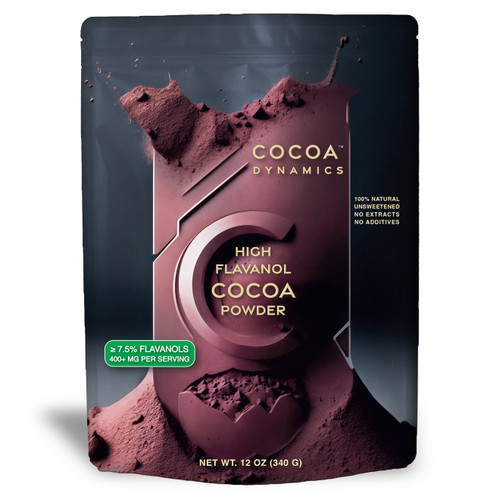
High-flavanol cocoa products appeal to a different buyer. The goal is not necessarily the richest dessert flavor. It is cocoa with naturally present compounds that some shoppers want for a daily routine: smoothies, unsweetened drinks, oatmeal, yogurt, or simple cocoa recipes where sugar stays under control.
The tradeoff is flavor. Unsweetened, non-alkalized cocoa can taste sharper and more acidic than Dutch-process cocoa. That does not make it worse; it just means it needs the right use. It can be excellent in a smoothie with banana or dates, or in oatmeal with milk and a little maple syrup. In a delicate dessert, however, a smoother Dutch-process cocoa may taste more familiar.
Polyphenol-rich cocoa powder vs regular cocoa powder
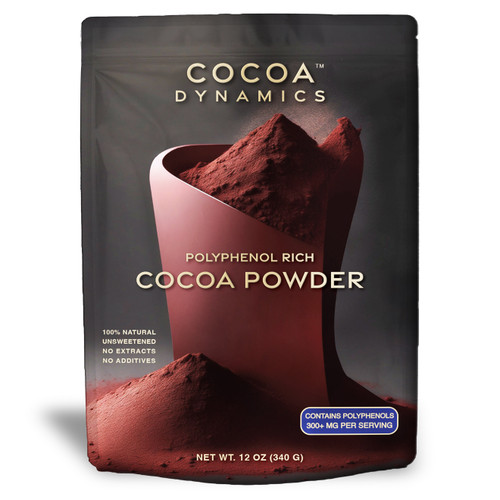
The phrase “polyphenol rich” sounds technical, but the practical question is simple: do you want cocoa mainly for flavor, or do you want a less processed cocoa powder for everyday use? Regular alkalized cocoa often tastes mellow and dark because alkalization reduces acidity. Non-alkalized cocoa usually tastes more direct, sometimes fruitier, and sometimes more bitter.
For brownies, either can work, but the result changes. Natural cocoa can bring sharper cocoa flavor and may react differently in recipes that use baking soda. Dutch-process cocoa tends to make a darker, smoother-tasting dessert. When following a recipe, use the cocoa type the recipe expects unless you understand how leavening changes.
| Product type | Best for | Flavor profile | What to watch |
|---|---|---|---|
| Cacao nibs | Crunch, toppings, granola, cookies, smoothie bowls. | Roasted, bitter, nutty, dry cacao. | Can overpower sweet recipes if used heavily. |
| High-flavanol cocoa | Daily cocoa drinks, oatmeal, smoothies, lower-sugar routines. | Deep, sharper, less dessert-like. | May taste too intense without fruit, milk, or sweetener. |
| Dark chocolate discs | Ganache, cookies, brownies, snacking, melting. | Chocolate-forward, less sweet, richer finish. | Check cocoa percentage before using in sweet recipes. |
| Couverture | Tempering, dipping, molded chocolate, professional-style desserts. | Smooth melt and polished chocolate texture. | Needs better temperature control than casual baking chips. |
Dark chocolate: where 72% feels useful
A 72% dark chocolate is a good middle ground for people who want noticeable cacao intensity without jumping into unsweetened chocolate. It can work in cookies, bark, chopped chocolate brownies, homemade trail mix, or melted into a ganache where cream and sugar soften the bitterness.
The main thing to remember is that dark chocolate changes the sweetness balance of a recipe. If you replace milk chocolate with 72% dark chocolate, the dessert will taste more serious and less creamy. That may be exactly what you want in brownies, but less ideal in a kid-friendly cookie recipe.

Couverture: when melting quality matters
Couverture is the chocolate to look at when texture matters as much as flavor. It is used for tempering, dipping, coating, molding, and making desserts where the chocolate needs to set with a smoother finish. If you have ever dipped strawberries and ended up with streaky, soft chocolate, you have seen why couverture and temperature control matter.
White couverture is especially sensitive because it contains cocoa butter but no cocoa solids. It can scorch if overheated and can feel too sweet if used without balance. Pair it with tart fruit, citrus, freeze-dried berries, salted nuts, matcha, or dark chocolate layers to keep it from tasting flat.

How to choose the right Santa Barbara Chocolate product
Start with the recipe, not the product photo. If the chocolate is going into a smoothie, cocoa powder makes more sense than couverture. If the chocolate needs to stay crunchy, use nibs. If the chocolate needs to melt smoothly and set cleanly, use couverture. If you want a snackable but serious chocolate, dark chocolate discs or bars are easier.
Storage tips so good chocolate does not turn dull
Chocolate hates heat, moisture, and strong odors. Store it in a cool, dry place away from sunlight and away from spices, onions, coffee, or anything aromatic. Chocolate can absorb smells, and cocoa butter can bloom when temperature changes too much.
Bloom is the pale or dusty-looking film that sometimes appears on chocolate. It is usually a fat or sugar bloom caused by temperature or moisture changes. Bloomed chocolate is often still usable for baking, but it looks less attractive for dipping, gifting, or eating plain.
Small mistakes that make chocolate taste worse
- Overheating couverture: chocolate can seize, separate, or lose its smooth finish when rushed.
- Using nibs like chocolate chips: nibs are bitter and crunchy, so use them as an accent.
- Ignoring cocoa type: natural and Dutch-process cocoa behave differently in some baked goods.
- Storing near heat: warm cupboards near ovens can ruin texture over time.
- Pairing dark chocolate with too little sweetness: high-cacao chocolate needs balance in desserts.
- Buying bulk before testing: try a smaller format first if you are unsure about bitterness or melt behavior.
Where coupons fit into the decision
Choose the chocolate by recipe first. Once you know whether you need cacao nibs, cocoa powder, couverture, or dark chocolate, it is reasonable to check whether there is an active store offer before ordering.
After narrowing the product type, compare current offers on the Santa Barbara Chocolate coupons and deals page. Use it as a final price check, not as the reason to choose the wrong ingredient.
Check Current OffersFAQ
Is Santa Barbara Chocolate better for snacking or baking?
It depends on the product. Cacao nibs, cocoa powder, and couverture are more useful for baking and recipes, while dark chocolate bars or discs can work for snacking and melting.
What are cacao nibs best used for?
Cacao nibs are best as a crunchy, bitter accent in yogurt, oatmeal, granola, cookies, brownies, and smoothie bowls. They are not as sweet or melty as chocolate chips.
Is high-flavanol cocoa good for desserts?
It can be, but it often tastes sharper than Dutch-process cocoa. It is especially useful in smoothies, oatmeal, cocoa drinks, and recipes where you want deep cocoa flavor with controlled sweetness.
When should I choose couverture chocolate?
Choose couverture when you care about melting, dipping, molding, coating, or a polished chocolate finish. It is more technique-sensitive than casual chocolate chips.





I am sure this post has touched all the
internet people, its really really pleasant post
on building up new blog.
Thank you so much for your kind words! I’m glad you found the article insightful. It’s definitely an exciting time to explore how this topic is developing, and I appreciate your interest in it. If you have any more thoughts or questions, feel free to share!
Great article! I appreciate the clear and insightful perspective you’ve provided. It’s fascinating to see how this topic is evolving.