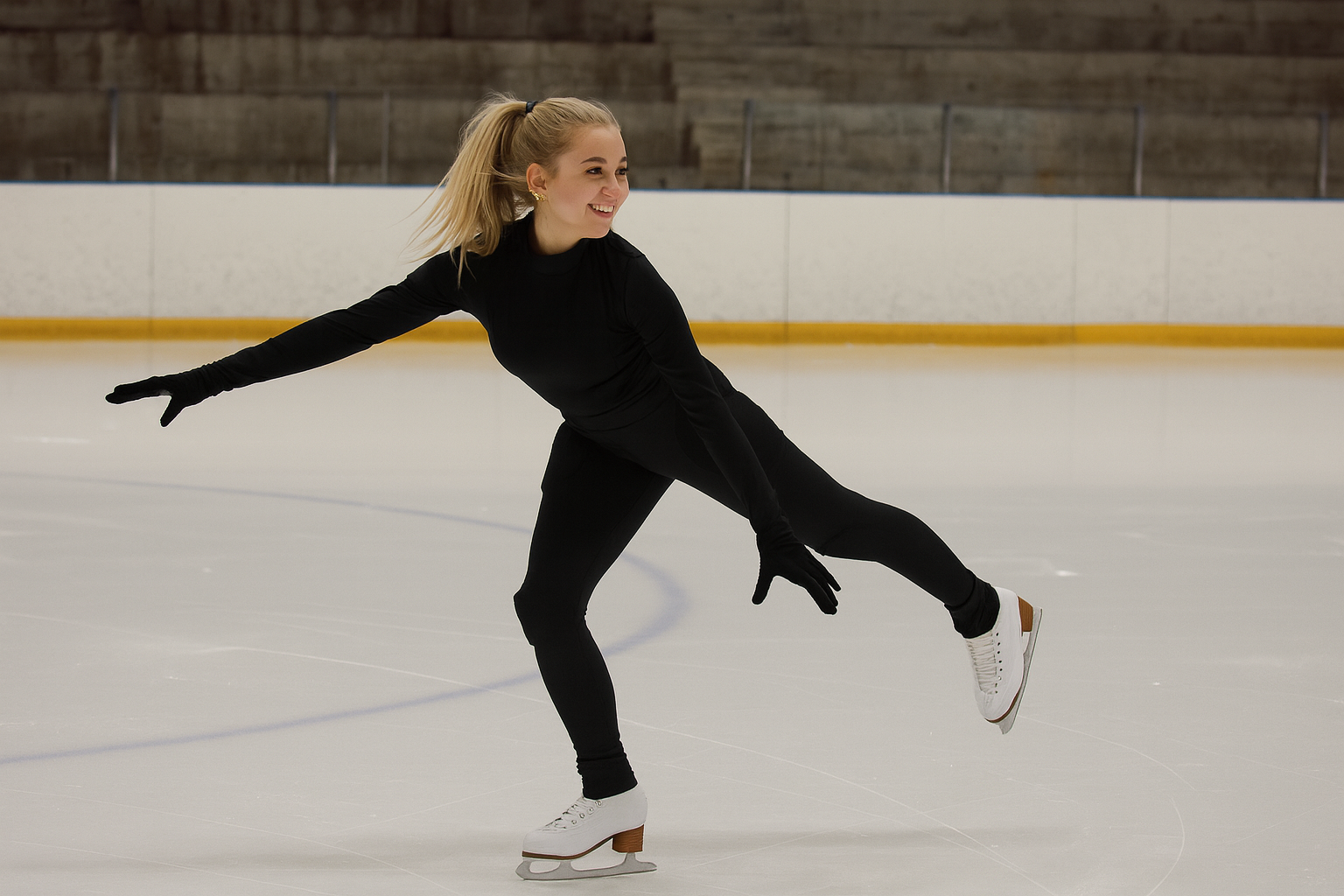
852 Jerry’s Protective Leggings Review – Comfort, Protection & Performance on Ice
Protective leggings are one of those pieces of skating equipment that can look simple until a skater actually has to move, fall, stand up, and continue training in them. The 852 Jerry’s Protective Leggings are built around that practical problem: they combine a close-fitting black skating legging with padding around the hips, knees, and shins.
The appeal is easy to understand for beginners learning new elements, young skaters who are still getting comfortable with falls, and adults returning to the ice after a long break. The protection is integrated into the garment, so there is less to put on and less separate equipment to keep in place. The important question is whether that extra protection still feels manageable during jumps, spins, stroking, and ordinary rink practice.
What the 852 Jerry’s Protective Leggings Are Designed to Do
These are not competition tights and they are not a substitute for learning safe falling technique. Their purpose is more specific: to make repeated practice falls less intimidating and less uncomfortable while keeping the profile closer to a normal pair of skating leggings than to bulky protective shorts and pads.
The construction places padding in the areas that commonly meet the ice during a beginner or intermediate fall. Hip coverage helps with a sideways landing, knee and shin coverage helps when a skater drops forward or kneels, and the stretch legging fabric keeps the protective sections connected to the body instead of allowing separate pads to rotate out of position.
First Look at the Current 852 Jerry’s Listing
The current listing is for the black-only version. It is a specialty protective garment rather than an inexpensive pair of training tights, so the value depends on how often the padding will actually be used. A skater who falls frequently or wants extra confidence while learning may get much more from it than someone who already trains comfortably without added protection.
Availability, price, and any current offer are shown in the product details below so you can check them before making a decision.
Fit and Freedom of Movement on the Ice
Fit matters more with protective leggings than with ordinary skating pants. A regular legging can tolerate a little extra fabric or a waistband that sits differently. Padding cannot. If it shifts, folds, or presses into the wrong place, the garment becomes distracting precisely when the skater needs to concentrate.
The best fit should feel close to the body without cutting into the waist, hips, or knees. The fabric should stay smooth when the skater bends deeply, brings one knee toward the chest, or moves from a kneeling position back to standing. The leg should not twist around the calf, and the protective sections should remain aligned after several changes of direction.
For a young skater, do not buy an oversized pair with the idea that it will last for several seasons. Extra room can move the padding away from the body and create bunching under a dress or warm-up layer. For an adult, allow enough space for the intended base layer, but avoid sizing up simply to make the leggings feel looser.
A simple fitting routine
Check whether the waistband stays flat and whether the knee padding remains centered.
Notice whether the shin and knee sections meet the ice where expected without pinching.
Make sure the fabric does not pull across the hips or restrict a skating lunge.
Try the leggings with the dress, skirt, or warm-up pants normally worn at practice.
How the Padding Changes Practice
The biggest benefit is usually psychological as much as physical. When a skater is worried about landing on a hip or knee, that hesitation can change the entire movement. A protective layer does not remove the need for good technique, but it can make the skater more willing to repeat an exercise, stand up, and try again.
Integrated padding also saves time before a lesson. There is no need to position separate hip pads under tight clothing or adjust knee pads after every fall. That convenience is especially useful for younger skaters who may struggle to keep several pieces of equipment correctly positioned.
There is a trade-off. Any protective insert adds thickness, and a skater may notice that the hips and knees feel different from ordinary leggings. The garment may also feel warmer during a long session. This is why the first practice should be a low-pressure session rather than a competition or an important test day.
Where Protection Helps Most
| Area | Useful during | What to check |
|---|---|---|
| Hips | Sideways falls, unstable landings, and early jump practice | The padding should cover the bony side of the hip without sliding toward the waist. |
| Knees | Stopping drills, kneeling falls, and getting back up from the ice | The knee section should stay over the kneecap when the leg is bent. |
| Shins | Forward falls and contact with the ice around the lower leg | Make sure the insert does not press against the boot top or create a hard fold. |
The placement is practical for training, but it should not create a false sense of complete protection. The leggings do not cover every part of the body, and they cannot prevent all injuries. A helmet may still be appropriate for a beginner, and coaching remains more important than any garment.
Warmth, Moisture, and Comfort During a Full Session
Protective clothing can be comfortable for the first few minutes and noticeably warmer later in the lesson. Rinks vary a lot: a cold local arena, a crowded practice session, and a competition warm-up can all feel different. The 852 leggings are best treated as a protective base layer whose comfort should be judged together with the rest of the outfit.
Wear the thinnest suitable layer underneath. Heavy thermal underwear can make the padding feel crowded and may encourage the skater to choose a size that is too large. If the rink is cold, add warmth over the protective leggings with a skating skirt, pants, or warm-up layer rather than putting multiple bulky layers underneath the inserts.
During the first few uses, pay attention to heat around the hips and knees, moisture after repeated falls, and any rubbing at the waistband. These small details matter more than how the garment feels while standing in a changing room.
Who Will Get the Most From Them?
The 852 Jerry’s Protective Leggings make the most sense for skaters who want coverage built into a familiar legging shape. They are a particularly reasonable option for:
- Beginners who are still building confidence with falls and recoveries.
- Intermediate skaters practicing jumps, spins, and more demanding footwork.
- Children who dislike separate protective shorts and knee pads.
- Adults returning to skating after a long break.
- Skaters who want protection under a dress or training outfit.
They may be less appealing to advanced skaters who already have reliable fall technique, prefer minimal layers, or need a completely unobstructed costume line for performance. They are also not the right solution for someone who needs medical-grade support or protection for an existing injury.
Protective Leggings Compared With Separate Pads
The choice between integrated leggings and separate equipment comes down to convenience, adjustability, and how much coverage is needed. Neither approach is automatically better for every skater.
| Option | Main advantage | Possible drawback | Best fit for |
|---|---|---|---|
| 852 Jerry’s protective leggings | One garment keeps the main padding in place | Less adjustable and warmer than plain leggings | Regular practice and skaters who want discreet coverage |
| Protective shorts | Good hip and tailbone coverage under clothing | Does not cover knees or shins by itself | Skaters focused mainly on backward and side falls |
| Separate knee pads | Position and thickness can be chosen independently | Can shift, show under clothing, or feel bulky | Skaters who need specific knee protection |
| Plain skating leggings | Lightest and simplest option | Provides no impact padding | Experienced skaters or low-risk practice sessions |
What to Wear Over the Leggings
The black finish is easy to coordinate, but the garment still needs to work with the silhouette of the full outfit. Under a skating dress, check that the hip padding does not pull the skirt fabric upward or create a visible ridge. Under skating pants, make sure the leg opening and boot area remain smooth.
A thin dress or skirt can make the protective sections more visible, especially under bright rink lighting. That is not necessarily a problem for practice, but it is worth checking before an exhibition or show. For a competition, confirm the event rules and costume requirements before relying on protective clothing as part of the outfit.
For related styling ideas, our guide to black figure skating dresses for practice and performance covers fabrics, accents, and fit considerations that pair naturally with a protective base layer.
Care and Storage
Protective leggings need a little more care than ordinary tights because the padding and stretch fabric have to keep their shape together. Follow the care label first, but the general routine is straightforward:
- Let the garment air out after practice instead of leaving it compressed in a skate bag.
- Rinse or wash it according to the label when sweat or rink residue builds up.
- Avoid high heat that can damage elastic fibers or change the shape of the inserts.
- Inspect seams, waistbands, and padding edges after falls on rough ice.
- Store it flat or loosely folded once it is completely dry.
Do not keep the leggings damp inside a sealed bag. Moisture and compression are a poor combination for any stretch garment, and they can make the fabric smell or lose its recovery faster than normal.
Small Details That Affect the Buying Decision
Use the seller’s size information rather than relying only on a usual tights size.
For a warm arena, integrated padding may feel hotter than expected during a long session.
Check the garment under the dress or pants used for normal practice.
Padding can reduce discomfort, but it cannot replace coaching or safe technique.
Where to Check Current Offers
Before choosing a size, compare the current listing, availability, coupons, and deals on the Figure Skating Store coupons and deals page. This is also useful when the preferred size or color changes.
Final Verdict
The 852 Jerry’s Protective Leggings are a practical training garment for skaters who want more confidence around falls without wearing several separate pads. Their strongest point is the integrated design: hip, knee, and shin coverage stays with the legging, while the black stretch silhouette can fit naturally under a practice outfit.
The trade-off is that protective clothing is more noticeable than ordinary leggings. Fit, warmth, and padding placement all need to be checked before a long session. For a beginner, a child learning new skills, or an adult returning to the ice, that extra layer may be worth it. For an advanced skater who wants the lightest possible outfit, plain skating leggings may still feel better.
Common Questions
What areas do the 852 Jerry’s Protective Leggings cover?
The current product description lists integrated padding around the hips, knees, and shins. Those areas are intended to provide additional cushioning during common practice falls.
Are these leggings suitable for beginners?
They can be useful for beginners who are learning to fall and recover, especially when extra confidence helps them repeat exercises. They should be used alongside instruction and safe skating technique.
Can protective leggings be worn under a skating dress?
They are designed in a close-fitting legging style, so they may work under a dress or skirt. Check the silhouette, warmth, and costume requirements before wearing them for a performance.
Are protective leggings better than separate knee pads?
They are more convenient and less likely to shift as one garment, while separate pads offer more control over position and thickness. The better choice depends on the skater’s coverage needs and preferred fit.
Do protective leggings prevent skating injuries?
No. They can add cushioning and reduce discomfort from some impacts, but they do not eliminate injury risk and are not a substitute for coaching, warm-up, or safe falling practice.